 Fresno rug care · Local service inquiries
Rug Stain, Dust & Soil Removal in Fresno
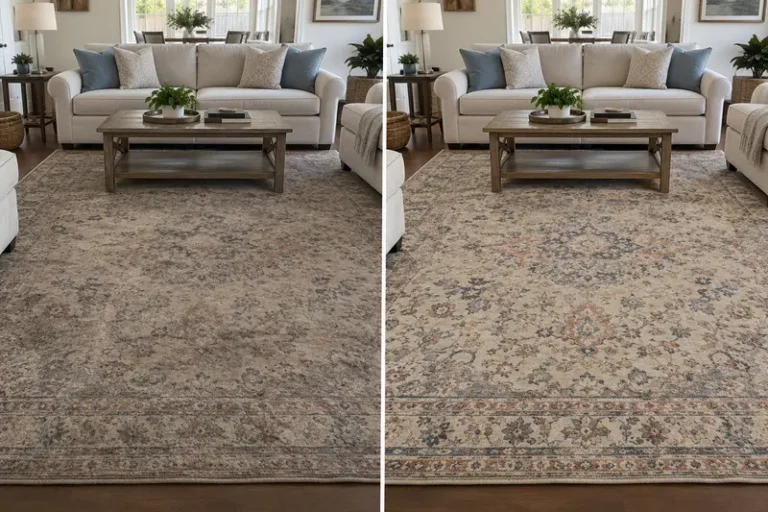
A dark area may be dry grit, oily residue, a specific spill, dye damage or a combination. Correct identification prevents unnecessary chemical use.
Start with what can be removed dry
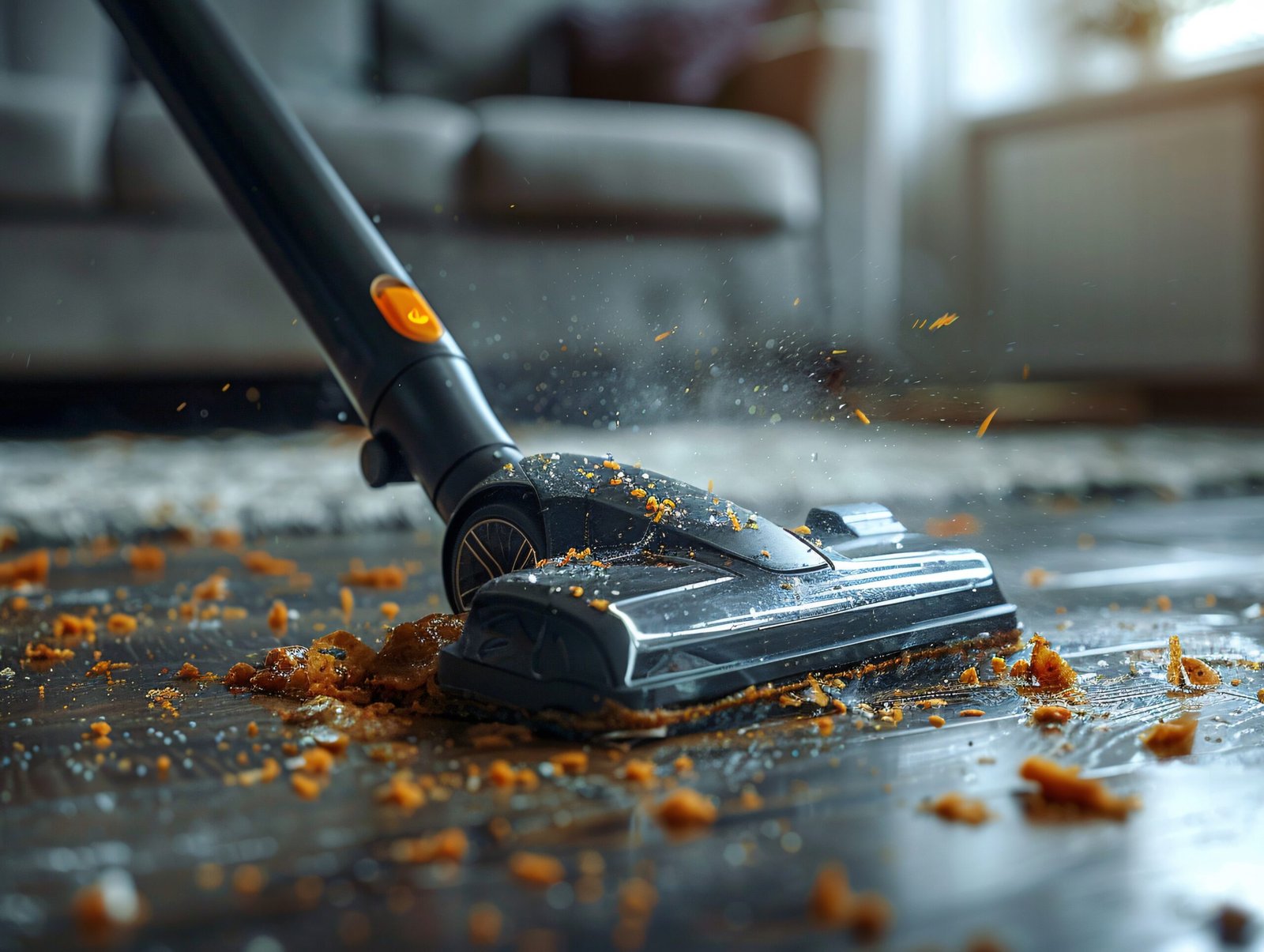
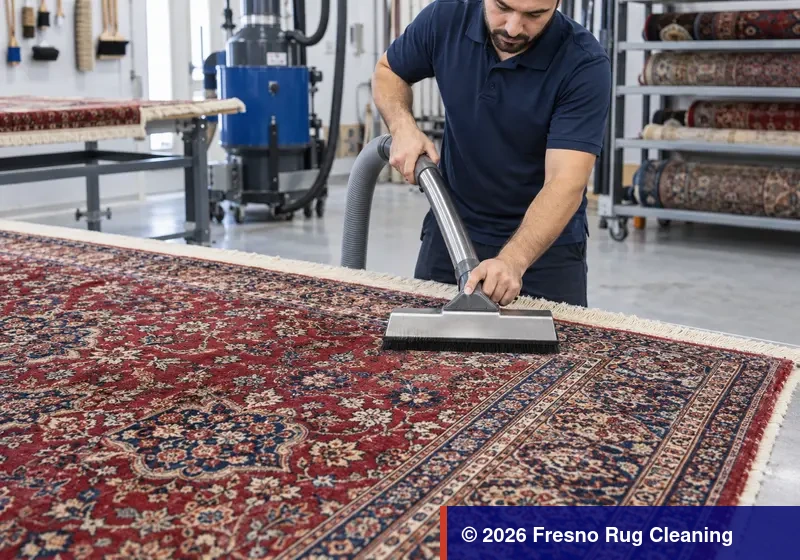
Fine Central Valley dust and tracked grit can settle below a rug’s visible pile. When moisture is added too soon, dry soil can become muddy residue. Suitable vacuuming or dust removal is therefore an important part of many cleaning plans.
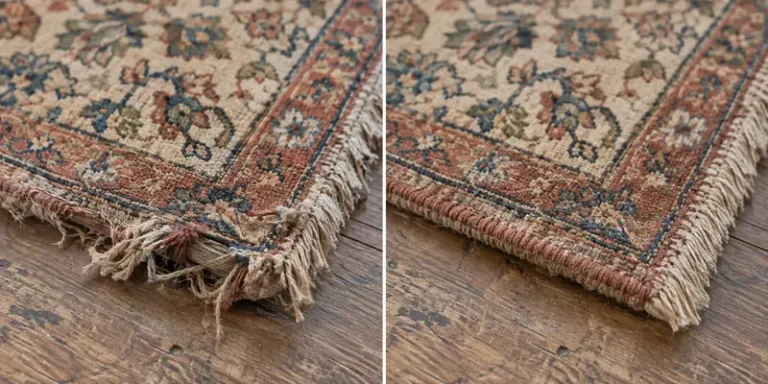
Fragile pile, loose fringe and weak foundations may limit agitation, so the method still needs to fit the rug.
Not every mark is the same
Traffic lanes
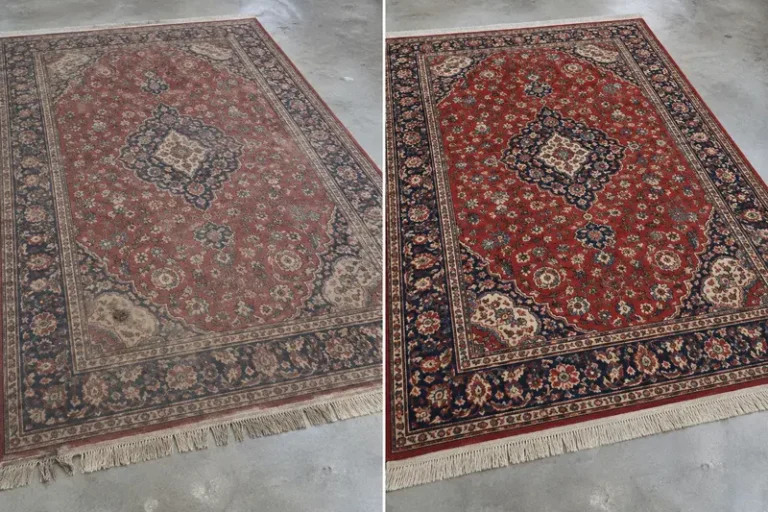
Traffic areas can hold dry particles, body oils, cooking residue and crushed pile. Cleaning may improve soil without reversing permanent wear.
Food and drink
Sugars, tannins, fats and dyes behave differently. Heat or the wrong product may set color change or leave residue.
Unknown household products
Soap, bleach, peroxide, vinegar and multipurpose cleaners can alter fibers or dyes. Tell the cleaner what was already applied.
Set a treatment priority
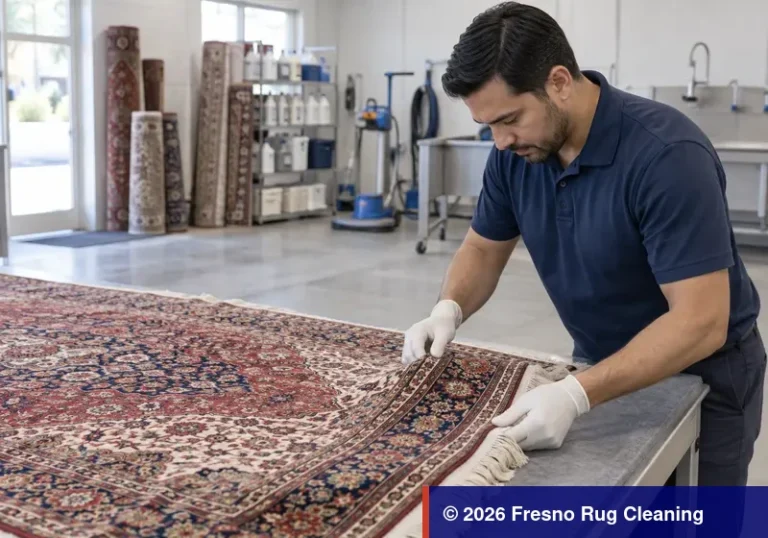
The rug should be assessed for fiber, dyes, construction and condition before spot work. The plan may separate general cleaning from specialty stain treatment, and the estimate should explain that distinction.
No responsible process guarantees complete removal of every stain. Some marks are permanent material change rather than removable contamination.
Related guidance
Review area rug cleaning, wool rug care, and the cleaning process. For adjacent problems, see how synthetic construction affects cleaning and why pet hair requires separate removal.
Questions about spots and soil
Should I try another spot remover first?
Avoid layering products. Mixed residues can set color change, attract soil or interfere with professional treatment. Blot fresh spills and record what was used.
Why does a spot seem to return?
Residue can attract new soil, or material from the backing can migrate upward as the area dries. The cause should be identified before repeating treatment.
Why do traffic lanes stay darker?
They may contain oils and fine soil, but pile wear and crushing also affect appearance. Cleaning cannot rebuild worn fibers.
Can a photograph identify the stain?
A photo helps show location and color, but it rarely proves the substance, fiber damage or depth. History and inspection are still important.
Describe the mark before treating it
Call with rug dimensions, fiber if known, the substance, when it happened, products used and your Fresno ZIP.
Spill type, old residue and recurring spots
For rug stain removal in Fresno, share the material if known, construction and the concern you want addressed. The following details help clarify the proposed scope before scheduling.
Coffee, wine and food spills
These marks can involve color, sugar, oils or several ingredients. State what spilled and when. Blot fresh liquid rather than spreading it with scrubbing, and disclose all products already used so treatment reflects the actual history.
Grease, ink and cosmetics
Oily residues and colored cosmetics differ from plain dust. Ink or dye-based marks may involve permanent change. Avoid solvent experiments on an unidentified textile; name the substance and describe earlier attempts.
Mud, dust and traffic lanes
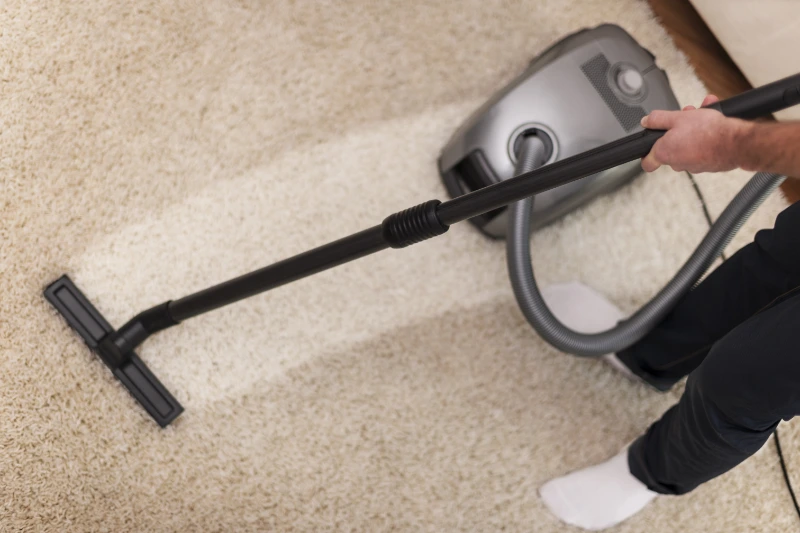
Dry grit can settle toward the foundation while oily residue bonds to the pile. Identify entryways and walking routes. Loose-soil preparation and treatment of a bonded spot are different parts of a useful cleaning plan.
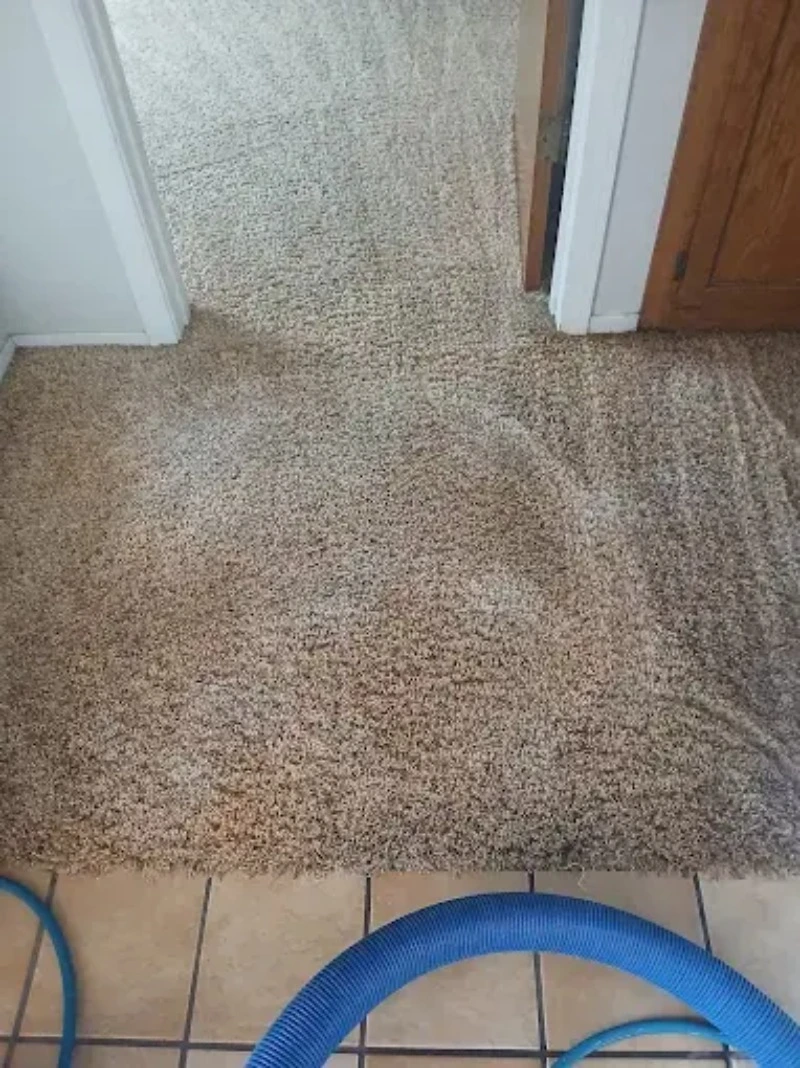
Returning spots versus lost color
A spot that returns during drying may involve residue lower in the textile. A pale bleach mark may instead be missing dye. Review the difference: removing dirt cannot promise to restore permanently altered color or worn fibers.
Prepare for the assessment and return
Details for your first call
Measure length and width, locate the care label and list products already used. Explain the main concern, when it started and whether the pad or floor is affected. Clear descriptions of the front, back and fringe help the initial discussion, but photos cannot confirm hidden conditions.
For a Fresno appointment, share the ZIP and neighborhood, gate instructions, stairs and parking. Mention furniture resting on the rug and confirm who will move heavy items. Check pickup and local coverage before transport.
After cleaning and between visits
Confirm drying and finishing are complete before normal use. Place the textile on a clean, dry pad and floor, and follow any handling advice. Suitable vacuuming, entry mats and prompt spill attention help control new soil; avoid catching fringe or loops in a powered brush.
Drying time and total turnaround are different. Ask for timing based on your rug and the agreed scope. See the cleaning and drying process and related service options.
More questions about rug stain, dust & soil removal
Can coffee or red wine be removed from every rug?
No. Fiber, dyes, time and previous products affect the result. Request assessment of the specific mark rather than a guarantee based on the drink alone.
Why did a stain return after home cleaning?
The foundation or lower pile may still hold residue, or a product may remain in the textile. Share the method and drying history so the next assessment goes beyond the surface.
Can cleaning fix a bleach spot?
Bleach can cause permanent color loss or fiber damage. Removing unrelated soil does not replace missing dye. The cleaner should explain that distinction before treatment.
Rug care and local cleaning photos
Browse existing photos of rugs, cleaning preparation and local cleaning work. Explain which concern matches your textile when calling; fiber and condition still guide the plan.
Discuss your rug and check availability
Call (559) 844-1254 with the material if known, dimensions, main concern and Fresno ZIP. Confirm the cleaning scope, handling and next step before scheduling or bringing a rug to 2695 N Sunnyside Ave, Fresno, CA 93727.
Call for Rug Care Availability Dry soil removal before rug cleaning
- Pet stain and odor treatment for an area rug
- Professional area rug cleaning in Fresno
- Synthetic area rug cleaning process in a Fresno home
- Equipment used for controlled rug cleaning